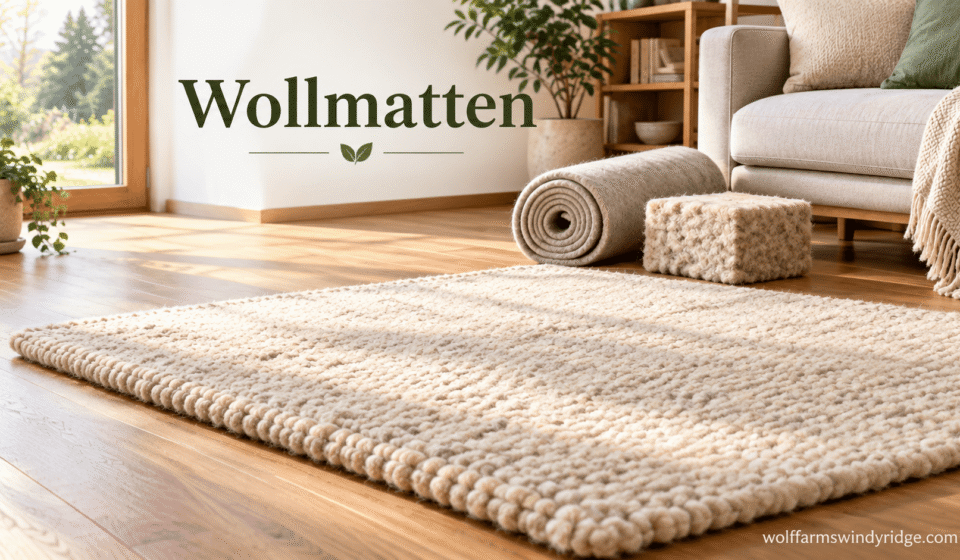

Wollmatten are flat materials made primarily from wool fibers or mixtures containing wool. They can be manufactured through weaving, felting, bonding, or other textile processes that create a stable surface suitable for a particular purpose.
The term covers several product categories. Household wool mats are commonly used as rugs, bedside mats, or decorative floor coverings. Wool felt mats are often used for crafts, furniture protection, and padding. Wool insulation mats, on the other hand, are specialized building materials designed to help reduce heat transfer in suitable construction systems.
The properties of a wool mat depend on the type of wool, fiber density, thickness, and manufacturing process. Some products are soft and flexible, while others are firm enough to serve as protective layers or technical materials.
It is also important to understand that not all products marketed as wool mats contain 100% wool. Some include synthetic fibers, backing fabrics, coatings, or binding agents to improve their shape, strength, or resistance to wear.
Before purchasing Wollmatten, buyers should check the product label and technical specifications. These details help determine whether a particular mat is appropriate for flooring, insulation, crafts, or another intended application.
What Are the Different Types of Wollmatten?
Wool mats come in several forms, each developed for different practical needs. Understanding these categories makes it easier to choose a product with the right characteristics.
Wool Mats for Home Interiors
Indoor wool mats are used as rugs, bedside coverings, decorative accents, and comfortable surfaces in living spaces. They may feature a smooth felted texture, a dense woven structure, or a soft and fluffy surface.
Their natural appearance works well with wooden furniture, neutral color schemes, and other natural materials. Depending on their construction, they can add warmth and texture to bedrooms, living rooms, and selected hallway areas.
When choosing an indoor mat, consider its dimensions, thickness, surface texture, and resistance to everyday wear. Mats placed on smooth flooring may also require an appropriate nonslip underlay to reduce movement and improve safety.
Wool Felt Mats
Wool felt mats are made by interlocking or compacting fibers into a dense material. The resulting felt can be produced in different thicknesses, densities, and levels of firmness.
These mats are useful for craft projects, furniture protection, surface padding, and selected industrial applications. For example, a felt layer beneath a decorative object can help reduce scratching, while craft felt can be cut into different shapes for creative projects.
The main advantage of wool felt is its versatility. However, its strength and durability depend on the quality of the fibers and the way the felt is manufactured. Not every felt mat is suitable for heavy pressure, prolonged moisture exposure, or demanding industrial conditions.
Wool Insulation Mats
Wool insulation mats are specialized products used in certain building applications. Sheep’s wool fibers can trap air, helping reduce heat transfer when the material is installed correctly within an appropriate construction system.
These products may be used in suitable roof, ceiling, and wall assemblies. Their performance depends on factors such as thickness, density, thermal conductivity, moisture conditions, and installation quality.
Wool insulation should not be selected solely because it is a natural material. Buyers and building professionals must also consider fire performance, moisture management, pest protection, and applicable building regulations.
Manufacturer specifications and relevant building requirements should guide the selection and installation of insulation products.
Wool Mats for Gardening
Some wool-based mats and horticultural products are designed for garden applications, including soil covering, moisture management, and selected plant-protection purposes.
Their effectiveness depends on the material structure, water behavior, thickness, and intended use. A product designed for horticulture may perform differently from a conventional wool felt sheet or indoor rug.
Before using wool mats around plants, check whether the product is specifically intended for outdoor conditions and direct contact with soil. Its composition, durability, and any additional treatments may affect its suitability.
What Materials Are Used to Make Wollmatten?
The main material in most wool mats is sheep’s wool, although other fibers and supporting materials may also be included.
| Material | Main characteristics | What to check |
| Virgin wool | Newly sourced wool fibers | Fiber origin and processing |
| Recycled wool | Fibers recovered from existing materials | Composition and fiber quality |
| Wool blends | Wool combined with other fibers | Percentage of each fiber |
| Wool felt | Interlocked or compacted fibers | Thickness, density, and firmness |
Virgin wool can be processed into different textile products, while recycled wool provides an opportunity to reuse existing fibers. The characteristics of recycled products depend on the original material and recycling process.
Some manufacturers combine wool with synthetic fibers to improve stability, simplify production, or change the texture. Backing materials, adhesives, and surface treatments may also influence durability and maintenance.
People looking for a product made entirely from natural wool should review its full material declaration rather than relying on the product name alone. A wool-based mat may contain several additional components that affect its performance and environmental impact.
What Are the Main Benefits of Wollmatten?
Wool mats offer several useful characteristics, although the extent of each benefit depends on the product and its intended application.
Natural Thermal Insulation
Wool fibers can trap air within their structure. This trapped air helps reduce heat transfer, which is one reason wool is used in both household textiles and specialized insulation products.
For an indoor floor mat, this property may contribute to a warmer and more comfortable surface underfoot. For building insulation, performance depends on the material’s technical specifications, thickness, and installation.
A decorative wool rug should not be confused with a certified insulation product. Their functions and performance requirements are different.
Comfort and a Pleasant Texture
Many wool mats offer a soft, resilient, or firm surface, depending on their construction. In bedrooms and living rooms, they can provide a comfortable layer between the feet and a hard floor.
Felt mats can also provide a protective surface beneath furniture or other objects. Their thickness and firmness determine how well they perform in these situations.
Moisture Absorption
Wool fibers can absorb moisture vapor and release it again under suitable environmental conditions. This characteristic may help moderate moisture fluctuations around the material.
However, moisture absorption does not mean that wool mats are waterproof. Prolonged dampness, poor ventilation, or inadequate drying can cause odors and material deterioration. Products used in wet or humid environments must be chosen carefully.
Noise Reduction
Certain wool mats can help reduce noise by cushioning contact between surfaces or absorbing some sound energy. For example, a mat beneath a piece of furniture may reduce contact noise, while a thicker textile covering can help soften sound reflections in a room.
The effectiveness depends on the thickness, density, placement, and construction of the product. Not every wool mat provides meaningful sound insulation, so specific acoustic requirements should be checked against product information.
A Versatile Natural Fiber
Wool is a renewable animal fiber that can be processed into products for different applications. Some wool mats can provide long service lives when properly selected and maintained.
Their environmental value depends on more than the material itself. Wool sourcing, manufacturing methods, transportation, durability, and disposal all influence the overall impact of a finished product.
What Are the Disadvantages of Wollmatten?
Although wool mats have several advantages, they also have limitations that buyers should understand before making a decision.
One potential disadvantage is cost. High-quality wool products can be more expensive than certain synthetic alternatives. Whether the additional cost is worthwhile depends on the intended use, expected lifespan, appearance, and required performance.
Wool can also require careful maintenance. Exposure to unsuitable washing temperatures, harsh detergents, or excessive mechanical agitation may cause some products to shrink, felt, or lose their original shape.
Moisture is another consideration. Wool can absorb moisture, but it is not automatically suitable for permanently damp environments. Inadequate drying can contribute to unpleasant odors and damage.
Wool products may also be vulnerable to clothes moths and other wool-damaging insects, particularly when stored in unsuitable conditions. Regular inspection and clean, protected storage can help reduce this risk.
Technical wool insulation products have additional requirements. They must be appropriate for the building application and comply with relevant fire-safety and installation specifications.
For these reasons, Wollmatten should be selected according to their intended purpose rather than assuming that all wool-based products offer the same performance.
Where Are Wollmatten Used?
Wool mats have a wide range of applications, from everyday household use to specialized construction and craft projects.
In homes, they serve as decorative rugs, bedside mats, and floor coverings. They can introduce texture into an interior and provide a comfortable surface in suitable areas.
In workshops and craft settings, wool felt mats are used for padding, protective layers, and creative projects. Depending on their construction, they can help protect furniture and other surfaces from direct contact or minor scratches.
In construction, purpose-made wool insulation mats are used in suitable roof, wall, and ceiling assemblies. Their technical performance, installation requirements, and safety specifications are more important than their appearance.
In gardening, specialized wool-based products may be used for selected soil-covering or plant-care applications. Their performance depends on whether they are designed for outdoor exposure and contact with soil.
The important distinction is that these products are not interchangeable. A household rug is not a substitute for building insulation, and an insulation mat is not automatically suitable for use as a floor covering.
How to Choose the Right Wollmatten
Choosing the right wool mat becomes easier when you evaluate the product against your specific requirements.
1. Identify the Intended Purpose
Start by deciding whether you need a mat for a living space, furniture protection, insulation, crafts, or gardening. Each application requires different characteristics, so defining the purpose first helps narrow the available options.
2. Check the Material Composition
Review the percentage of wool and any additional fibers, backing materials, coatings, or adhesives. If you want a product made entirely from wool, look for an explicit material declaration.
The composition may also affect cleaning, durability, and end-of-life disposal.
3. Compare Dimensions, Thickness, and Density
The mat should fit the intended space and perform its required function. For household use, dimensions and surface texture may be the main priorities. For felt applications, thickness and firmness can be particularly important.
When selecting insulation, focus on technical specifications and suitability for the building assembly rather than appearance alone.
4. Consider Maintenance Requirements
Check the cleaning instructions before buying. Some wool mats require only occasional surface cleaning, while others may need specialized care.
For busy areas, durability and ease of maintenance may matter more than softness. A mat exposed to regular foot traffic should be selected with its expected level of wear in mind.
5. Review Quality and Safety Information
Look for clear product specifications and relevant certifications where applicable. For insulation products, check the required thermal performance, fire classification, moisture considerations, and installation instructions.
| Application | Main selection priorities |
| Living spaces | Comfort, appearance, cleaning, and slip resistance |
| Furniture protection | Thickness, firmness, and dimensions |
| Building insulation | Technical performance, safety, and installation |
| Gardening | Outdoor suitability, water behavior, and intended plant use |
Comparing these criteria can help you select Wollmatten that meet your practical needs without paying for features you do not require.
How to Clean and Maintain Wollmatten
Proper care helps preserve the appearance and useful properties of a wool mat. The correct method depends on the fiber composition, construction, and manufacturer instructions.
For many suitable indoor mats, loose dirt can be removed through gentle vacuuming or shaking. If a spill occurs, absorb the liquid promptly with a clean cloth. Avoid aggressive rubbing, which may push dirt deeper into the fibers or damage the surface.
When additional cleaning is necessary, use a method and cleaning product suitable for the particular wool item. Some mats may tolerate gentle hand cleaning, while others require professional care or must not be washed. Always follow the product’s care label.
After cleaning, allow the mat to dry thoroughly under appropriate conditions. Excessive heat or unsuitable drying methods may cause shrinkage or deformation.
Storage also matters. Before putting wool products away for an extended period, make sure they are clean and completely dry. Keep them in a protected place and inspect them periodically for signs of insect damage.
Technical insulation mats and horticultural products may have different maintenance requirements. Their care or replacement should follow the manufacturer’s recommendations.
Are Wollmatten Sustainable and Environmentally Friendly?
Wool mats can offer certain environmental advantages because wool is a renewable animal fiber. Products that last a long time or incorporate recycled fibers may also help reduce the need for replacement materials.
However, the environmental impact of a wool mat depends on its entire life cycle. Relevant factors include animal farming, land use, processing, energy consumption, transportation, product durability, and disposal.
Additional materials can also influence sustainability. Synthetic backing, adhesives, dyes, and protective treatments may complicate recycling or affect how a product can be disposed of at the end of its useful life.
Some wool products can be reused or recycled, but this depends on their composition and the recycling facilities available. Biodegradability should not be assumed simply because the main fiber is natural.
Consumers interested in sustainable Wollmatten should look for transparent material declarations, credible environmental information, durable construction, and realistic disposal or recycling options.
Rather than relying only on labels such as “natural” or “eco-friendly,” it is more useful to evaluate the specific product and its expected service life.
Conclusion:
Wollmatten are versatile products that can serve different purposes in homes, workshops, buildings, and gardens. Depending on their construction, they may provide comfort, surface protection, thermal insulation, or other practical benefits.
The most important step is choosing a product designed for the intended application. Material composition, thickness, durability, cleaning requirements, and technical safety information should all be considered before purchasing.
By comparing these factors carefully, buyers can find wool mats that meet their specific needs and offer useful performance over their expected service life. Rather than choosing solely because a product contains wool, focus on its actual characteristics, quality, and suitability for the environment in which it will be used.



[…] Wollmatten: Types, Benefits, and How to Choose the Right One […]