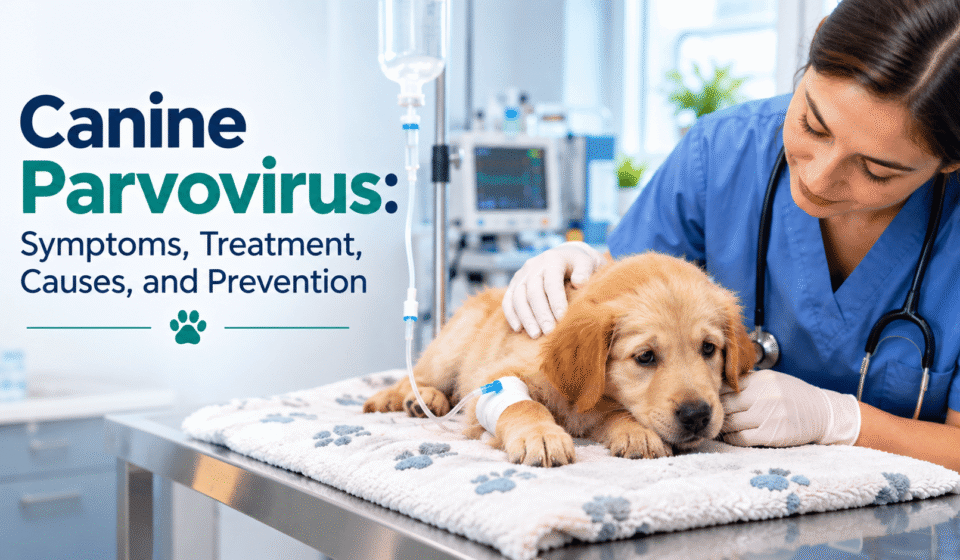

Canine parvovirus, commonly known as parvo, is a highly contagious viral infection that can cause serious illness in dogs. It is particularly dangerous for young puppies, unvaccinated dogs, and dogs that have not completed their recommended vaccination series.
The infection mainly attacks rapidly dividing cells, especially those found in the intestinal tract and bone marrow. In very young puppies, it can also affect the heart muscle. Because parvo can cause severe vomiting, diarrhea, dehydration, and weakness, the disease can become life-threatening without timely veterinary care.
Understanding parvo in dogs, how it spreads, what symptoms to watch for, and how vaccination can help prevent infection is important for every dog owner.
What Is Canine Parvovirus?
Canine parvovirus is an infectious virus that primarily affects dogs and other members of the canine family. The term “parvo” is commonly used to describe the disease caused by the virus.
The virus has a particular ability to attack cells that are dividing rapidly. This makes the lining of the small intestine and cells involved in the immune system especially vulnerable.
When the intestinal lining becomes damaged, the dog’s ability to absorb nutrients and fluids can be reduced. The damaged intestinal barrier can also allow bacteria from the digestive tract to enter the bloodstream.
Parvovirus can also affect the bone marrow. Damage to the bone marrow may reduce the production of white blood cells, weakening the dog’s ability to respond to infection.
In very young puppies, the developing heart can also be affected. Although this form of disease is less common, heart damage can be particularly serious.
What is parvo in dogs?
Parvo in dogs is a contagious viral illness that can cause severe gastrointestinal disease and immune-system problems. It is most commonly associated with puppies and inadequately vaccinated dogs, but susceptible adult dogs can also become infected.
Which Dogs Are Most at Risk?
All susceptible dogs can potentially contract canine parvovirus, but some are at considerably higher risk.
Puppies
Puppies are among the most vulnerable dogs because their immune systems are still developing. The period between approximately 6 and 20 weeks of age is particularly important because maternal antibodies may be declining while the puppy’s own vaccine protection is still developing.
This is one reason puppies receive multiple vaccine doses rather than relying on a single vaccination.
Unvaccinated Dogs
Dogs that have never received appropriate parvovirus vaccination have a greater risk of infection. An unvaccinated puppy exposed to a contaminated environment can become seriously ill.
Incompletely Vaccinated Dogs
A puppy that has started vaccination but has not completed its recommended series may still be vulnerable. Protection can also be affected by maternal antibodies passed from the mother.
Adult and Senior Dogs
Parvo is not limited to puppies. Adult and older dogs can also become infected, especially when they are unvaccinated or their vaccination history is incomplete.
Breeds With Greater Reported Risk
Some breeds have been associated with increased susceptibility to canine parvovirus. These include:
- Rottweilers
- Doberman Pinschers
- Bull terrier breeds
- German Shepherds
- English Springer Spaniels
Breed is only one factor. Vaccination status, age, exposure, immune health, and environmental conditions also influence risk.
How Does Parvo Spread?
Canine parvovirus is extremely contagious. The most important source of infection is contaminated feces.
A dog does not necessarily need to have direct contact with an obviously sick dog to become infected. The virus can be transferred through contaminated environments and objects.
Potential sources include:
- Soil
- Kennels
- Dog bowls
- Toys and equipment
- Collars and leashes
- Shoes
- Clothing
- Hands
- Contaminated surfaces
- Other objects that have contacted infected feces
Dogs can also carry contaminated material on their paws or fur after walking through an infected environment.
This makes parvo particularly difficult to control in places where many dogs gather.
Can parvo spread without visible feces?
Yes. Visible feces do not have to be present for a contaminated area to pose a risk. Very small amounts of infected fecal material can contain enough virus to infect a susceptible dog.
For this reason, simply avoiding areas where feces are visibly present is not always enough to prevent exposure.
How Long Can Parvovirus Survive Outside a Dog?
Parvovirus is a particularly durable virus. It can withstand a range of environmental conditions, including heat, cold, moisture, and drying.
Contaminated areas can therefore remain infectious for extended periods if they are not properly cleaned and disinfected.
Ordinary household cleaning products may not reliably eliminate the virus. Appropriate cleaning involves removing organic material first and then using a disinfectant known to be effective against parvovirus.
If a dog with confirmed or suspected parvo has been inside a home, kennel, yard, or other area, owners should ask their veterinarian about appropriate cleaning and disinfection procedures.
What Are the Symptoms of Parvo?
Recognizing parvo symptoms early is important because the disease can progress quickly.
Symptoms vary depending on the dog’s age, immune response, and severity of infection.
Early Symptoms
The first signs may include:
- Lethargy
- Loss of appetite
- Fever
- Reduced activity
- General weakness
A puppy that suddenly becomes unusually tired or stops eating deserves careful attention, especially if it has not completed its vaccinations.
More Advanced Symptoms
As the infection progresses, common signs can include:
- Vomiting
- Severe diarrhea
- Bloody diarrhea
- Abdominal pain
- Abdominal bloating
- Drooling caused by nausea
- Significant weakness
Vomiting and diarrhea can cause rapid fluid loss, making dehydration one of the major concerns associated with parvo.
Severe Symptoms in Puppies
A seriously affected puppy may develop:
- Collapse
- Very rapid heart rate
- Difficulty breathing
- Low white blood cell levels
- Low body temperature
- Low blood glucose
- Severe dehydration
These signs require urgent veterinary attention.
Why Does Parvo Cause Severe Diarrhea and Vomiting?
The virus attacks rapidly dividing cells in the intestinal lining. These cells are important for maintaining the structure and function of the digestive tract.
When they are damaged, the intestine becomes less capable of absorbing nutrients and fluids. The protective barrier of the intestinal tract can also become compromised.
This may result in:
- Fluid loss
- Poor nutrient absorption
- Intestinal inflammation
- Diarrhea
- Blood loss through the digestive tract
- Increased risk of bacteria entering the bloodstream
Vomiting can further increase fluid and electrolyte losses, making dehydration worse.
The Three Main Stages of Parvo
Parvovirus infection can be understood in three broad stages: infection, incubation, and illness.
Stage 1: Infection
The first stage begins when a susceptible dog encounters the virus.
Exposure may happen through infected feces, contaminated soil, objects, surfaces, clothing, footwear, or other materials.
The virus then enters the dog’s body and begins multiplying.
Stage 2: Incubation
After infection, there is generally a period during which the dog may appear healthy even though the virus is multiplying.
The incubation period is commonly around three to seven days.
During this stage, the virus targets rapidly dividing cells. Lymphoid tissues and bone marrow can become involved before major gastrointestinal symptoms appear.
Stage 3: Illness
As the infection progresses, the virus causes significant damage to the intestinal tract and immune system.
Bone marrow involvement can reduce white blood cell levels. At the same time, intestinal damage can interfere with nutrient and fluid absorption and weaken the barrier between intestinal contents and the bloodstream.
This combination can lead to dehydration, weakness, secondary infections, and potentially shock.
Very young puppies can also experience heart-related complications when the developing heart muscle is affected.
How Is Canine Parvovirus Diagnosed?
A veterinarian may suspect parvo after considering the dog’s symptoms, age, vaccination history, and possible exposure.
A physical examination is usually an important first step.
Fecal Testing
Fecal antigen tests are commonly used to look for evidence of canine parvovirus. A sample of feces is tested for viral material, and some tests can provide results relatively quickly.
However, a negative result does not always completely eliminate the possibility of parvo.
A dog may test negative if the sample is collected at a point when viral shedding is low or if other testing limitations affect the result. When symptoms strongly suggest parvo, a veterinarian may recommend additional testing or continued precautions.
Other laboratory tests may also be useful for evaluating dehydration, white blood cell levels, blood glucose, electrolyte disturbances, and other complications.
Can Parvo Be Treated?
There is no simple treatment that instantly eliminates canine parvovirus from the body.
Instead, treatment focuses on supporting the dog while its immune system fights the infection.
The treatment plan depends on the dog’s age, symptoms, hydration status, laboratory findings, and overall condition.
Fluid Therapy
Severe vomiting and diarrhea can cause substantial fluid loss.
Veterinarians may use intravenous fluids to restore hydration and help correct electrolyte and other physiological abnormalities.
Dogs with serious disease may need continuous fluid therapy and monitoring in a veterinary hospital.
Medication for Vomiting
Anti-nausea medications may be used to control vomiting.
Reducing vomiting can help prevent further fluid losses and may make it easier to provide nutritional support.
Nutritional Support
Nutrition is an important part of recovery.
The intestinal tract needs energy and nutrients while it repairs itself. Some dogs may be able to eat small amounts of an appropriate diet, while severely affected dogs may require assisted feeding.
A veterinarian may recommend a carefully selected, easily digestible diet during the recovery period.
Antibiotics
Antibiotics do not directly cure the virus.
However, damage to the intestinal barrier and reduced white blood cell levels can increase the risk of secondary bacterial infections. Antibiotics may therefore be used when a veterinarian believes bacterial infection or sepsis is a concern.
Correcting Blood Sugar and Electrolyte Problems
Severe parvo can cause abnormalities such as low blood glucose and electrolyte disturbances.
Veterinary monitoring can identify these problems and allow appropriate treatment.
Monoclonal Antibody Treatment
Some veterinary practices may have access to canine parvovirus monoclonal antibody treatment.
Whether this option is appropriate depends on factors such as the dog’s condition, availability, and veterinary assessment. It should be considered part of a professional treatment plan rather than a substitute for supportive care.
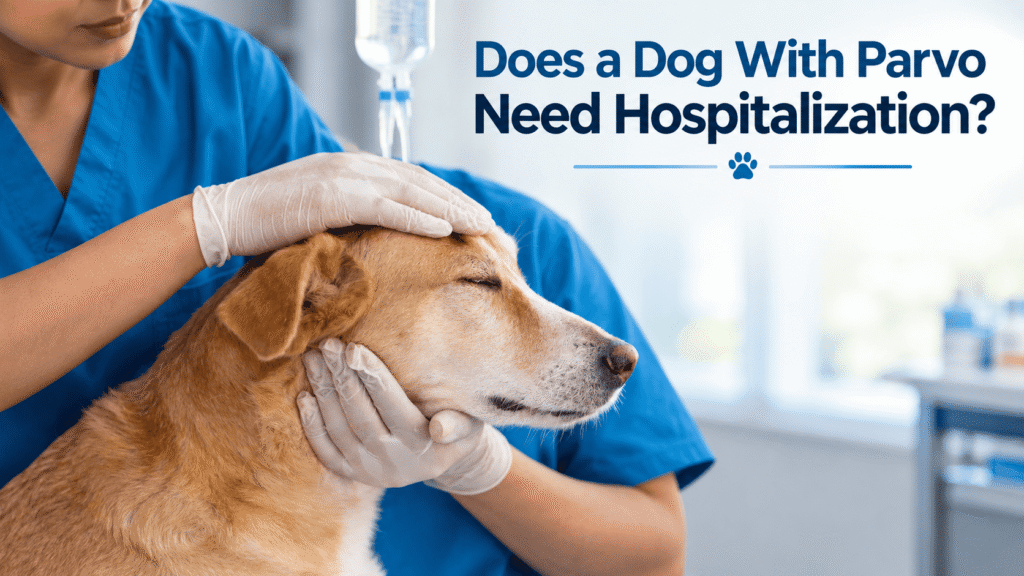
Does a Dog With Parvo Need Hospitalization?
Severely affected dogs often require hospitalization because they may need intravenous fluids, medication, nutritional support, and continuous monitoring.
Hospital care can be particularly important when a dog has:
- Persistent vomiting
- Severe dehydration
- Bloody diarrhea
- Extreme weakness
- Low blood glucose
- Significant electrolyte abnormalities
- Low white blood cell counts
- Signs of sepsis
- Collapse
Some stable dogs may be managed under carefully supervised outpatient protocols, but this decision should be made by a veterinarian.
How Much Does Parvo Treatment Cost?
The cost of treating parvo varies widely.
Several factors can influence the final bill, including:
- Severity of infection
- Diagnostic testing
- Medication
- Fluid therapy
- Nutritional support
- Length of hospitalization
- Monitoring requirements
- Local veterinary fees
A relatively stable case may cost less than a severe infection requiring several days of intensive hospitalization.
Because treatment can become expensive, prevention through appropriate vaccination is especially valuable. However, financial concerns should not delay veterinary assessment when a dog is seriously ill.
Can Dogs Recover From Parvo?
Yes, many dogs can recover from canine parvovirus when they receive appropriate care.
Recovery depends on several factors, including:
- Age
- Vaccination status
- Severity of infection
- Hydration
- Immune response
- Presence of secondary infections
- Speed of treatment
- Overall health
Dogs that survive the critical phase may gradually regain their appetite and energy.
Some dogs remain weak for several days after their major symptoms improve. The digestive system may also need additional time to return to normal.
Nutrition During Recovery
Good nutrition is important because the intestinal tract needs nutrients to repair damaged tissue.
A veterinarian may recommend a bland, easily digestible diet or a veterinary therapeutic food designed for digestive health.
Food should be introduced according to the dog’s condition and veterinary instructions, particularly if vomiting is still occurring.
Can Humans Get Parvo From Dogs?
Humans do not catch canine parvovirus from dogs.
Canine parvovirus is adapted to dogs and other susceptible canine species. Humans have different parvoviruses that are not the same as canine parvovirus.
However, people can still contribute to the spread of canine parvovirus between dogs.
For example, virus-contaminated material can potentially remain on:
- Hands
- Shoes
- Clothing
- Equipment
- Other surfaces
A person who has handled an infected dog may therefore unintentionally carry contaminated material to another dog.
Good hand hygiene and appropriate cleaning of clothing and footwear can help reduce this risk.
How Can Parvo Be Prevented?
The most effective approach to preventing canine parvovirus combines vaccination with good hygiene and sensible exposure control.
Parvo Vaccine
The parvo vaccine is included in the core vaccination program recommended for dogs.
Puppies generally begin their vaccination series at around 6–8 weeks of age. Additional doses are given during the following weeks because maternal antibodies can interfere with the puppy’s immune response to early vaccination.
For many puppies, the final dose of the initial series is given at around 16 weeks of age or later, depending on veterinary recommendations and individual circumstances.
A booster is generally recommended after the initial puppy series, followed by additional boosters according to the dog’s vaccination plan.
The exact schedule should always be determined by a veterinarian.
Vaccination for Parvovirus in Dogs
If an adult dog has never been vaccinated, has missed vaccinations, or has an uncertain vaccination history, it is still worth speaking with a veterinarian.
The veterinarian can determine which vaccinations are appropriate based on the dog’s age, health, previous vaccination history, and exposure risk.
Protecting Puppies Before They Complete Vaccination
Young puppies need additional protection because they are especially vulnerable during the vaccination period.
Owners should be cautious about taking incompletely vaccinated puppies into environments where many dogs gather.
Potentially higher-risk locations can include:
- Dog parks
- Kennels
- Grooming facilities
- Dog daycare centers
- Pet shops
- Training areas
- Public areas heavily used by dogs
This does not mean puppies should receive no socialization. Safe socialization can still be important. The goal is to balance developmental needs with the risk of exposure, ideally with guidance from a veterinarian.
Choosing facilities that require vaccinations, maintain good hygiene, and separate sick animals can also help reduce risk.
Cleaning and Disinfecting After Parvo Exposure
If a dog has suspected or confirmed parvo, environmental cleaning becomes especially important.
Start by removing visible feces, vomit, dirt, and other organic material. Then use a disinfectant that is known to be effective against parvovirus and follow its directions carefully.
Items that may need attention include:
- Floors
- Kennel surfaces
- Food and water bowls
- Bedding
- Toys
- Leashes
- Collars
- Cleaning equipment
Not every household cleaner is capable of killing parvovirus.
Because the virus is highly resistant, owners should ask their veterinarian for specific cleaning recommendations based on the environment.
What Should You Do If You Suspect Parvo?
If you believe your dog may have parvo, taking quick action is important.
1. Contact a Veterinarian
Call a veterinary clinic and explain the dog’s symptoms, age, vaccination status, and possible exposure.
If parvo is suspected, let the clinic know before arriving so they can take appropriate infection-control precautions.
2. Separate the Dog
Keep the sick or suspected dog away from other dogs.
This includes dogs living in the same household.
3. Avoid Sharing Supplies
Do not allow healthy dogs to share bowls, bedding, toys, or other potentially contaminated items.
4. Follow Testing Recommendations
Your veterinarian may recommend fecal testing and additional laboratory evaluation.
5. Follow the Treatment Plan
If parvo is confirmed, follow the veterinarian’s instructions for medication, feeding, hydration, isolation, and follow-up care.
6. Protect Other Dogs
Wash your hands and take appropriate precautions with clothing and footwear before interacting with other dogs.
Is Parvo Always Fatal?
No. Canine parvovirus can be extremely serious, but infection does not automatically mean that a dog will die.
Many dogs recover when they receive appropriate supportive veterinary care.
However, severe dehydration, shock, intestinal damage, immune suppression, and secondary infections can make the disease life-threatening.
The earlier a seriously ill dog receives appropriate veterinary attention, the better the opportunity to identify complications and provide supportive treatment.
Can a Vaccinated Dog Still Get Parvo?
Vaccination provides strong protection, but no vaccination situation should be treated as an absolute guarantee.
Puppies are particularly vulnerable before they complete their initial vaccination series. Maternal antibodies can also affect how effectively a young puppy responds to vaccination.
This is why puppies receive multiple doses and why exposure precautions remain important during the early months of life.
If a vaccinated dog develops symptoms that resemble parvo, veterinary evaluation is still appropriate.
Frequently Asked Questions
What are the symptoms of parvovirus in dogs?
Common symptoms include lethargy, loss of appetite, vomiting, severe diarrhea, abdominal discomfort, fever, dehydration, and weakness. Severe cases may cause bloody diarrhea or collapse.
How is parvovirus in dogs treated?
Treatment focuses on supportive veterinary care, including fluids, anti-vomiting medication, nutritional support, and correction of electrolyte or glucose problems. Severe cases may require hospitalization.
Can parvovirus in dogs be treated at home?
Some stable cases may be managed at home under veterinary supervision, but severe vomiting, diarrhea, dehydration, or weakness may require hospitalization. Veterinary evaluation is important.
Can humans get parvovirus from dogs?
No. Canine parvovirus does not infect humans. However, people can carry the virus on contaminated hands, shoes, or clothing and spread it to other dogs.
Is there a treatment for parvovirus?
There is no simple cure that directly eliminates the virus, but supportive veterinary treatment can help the dog recover and manage serious complications.
Final Takeaway
Canine parvovirus is one of the most serious contagious infections that dogs can encounter, particularly during puppyhood. The virus can damage the intestinal tract and bone marrow, resulting in vomiting, severe diarrhea, dehydration, weakness, immune suppression, and other complications.
Knowing what is parvo, recognizing its symptoms, and understanding how the virus spreads can help dog owners respond more quickly when something is wrong.
Prevention remains the strongest strategy. Appropriate vaccination for parvovirus in dogs, careful management of puppies before they complete their vaccine series, good hygiene, proper disinfection, and isolation of infected dogs can all help reduce transmission.
If a dog develops persistent vomiting, severe diarrhea, bloody stool, profound weakness, collapse, or other concerning symptoms, contact a veterinarian promptly. Parvo can progress quickly, but appropriate veterinary support can give affected dogs a much better chance of recovery.
Veterinary Disclaimer
This article is provided for general educational purposes and is not a substitute for professional veterinary diagnosis or treatment. If your dog is showing symptoms that may indicate parvovirus, contact a qualified veterinarian. Vaccination schedules, medications, testing, treatment, and recovery plans should be determined according to the individual dog’s needs.